
Last updated: October 2026 · Method: guidance from India’s documented driving-permit rules for foreigners (IDP recognition under the 1949 convention). Rules evolve — verify with the rental agency and your home authority before travel.
Driving yourself in India (see our self-drive guide) requires paperwork most travellers underestimate: an International Driving Permit (IDP) alongside your home licence, stamped before you leave home. This guide covers what’s needed, what India accepts, and the recommendation.
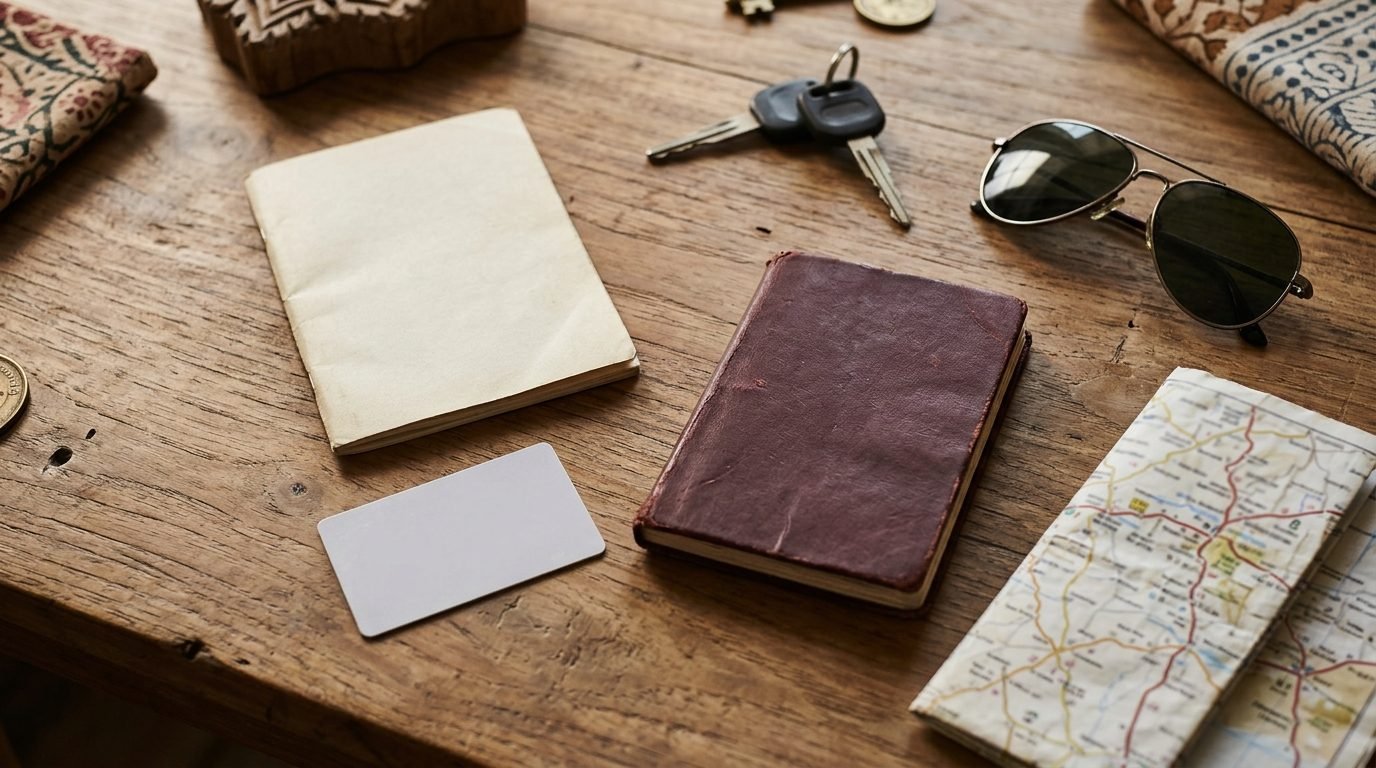
The paperwork
- Your home licence alone is not enough; India expects foreign drivers to carry an IDP issued in their home country (under the 1949 Geneva convention format, which India recognises), valid for the vehicle class you’re driving.
- Get the IDP at home: issued by your national motoring organisation or licensing authority, the process is weeks, not days, and can’t be done on arrival.
- Carry both documents always: police checks on highway drives are routine; the licence-plus-IDP pair plus passport satisfies them (the rental agency’s paperwork rides along too, see the rental guide).
The vehicle-class detail
IDPs list vehicle categories, motorcycles need the motorcycle endorsement, cars the car class. Riding a scooter on a car-only IDP is the classic technical violation; the rental guide’s caution applies doubled.
The honest recommendation
Drive with the full paperwork if you must; hire the driver if you can. The rates make driver-hire barely a premium, the night rules remove half the danger, and the driver’s local knowledge is worth more than the freedom it costs. Self-drive is for the experienced India-driver with the paperwork done properly.
Questions worth asking
Do police accept digital copies?
Increasingly yes for routine checks, but the physical IDP booklet is the safest carry, the printed page beats the app when the signal drops on the highway.
Related guides
Drove India on an IDP? The paperwork experience and any checkpost stories, driving reports steer this page.