Last updated: October 2026 · Method: bazaar structure from recurring traveller reports; where-locals-recommend framing, negotiation anchors only.
Chandpole Bazaar is the marble-and-metal end of the old city — the lane from Chandpole Gate inward, where marble artisans, utensil shops and the cutlery trade have held their quarters since the founding grid was drawn. It is the bazaar visitors miss, and the one that shows how the city’s trades still organise by lane.
📷 Image slot — marble chips and chisels at a workshop front.
What the lane is for
- Marble and stone craft — carved bowls, inlay pieces, temple figures; the workshops front the street and the sound of the cutting wheel is the lane’s soundtrack. Genuine inlay work is priced by hours — perfect-looking “inlay” at pavement prices is sticker work.
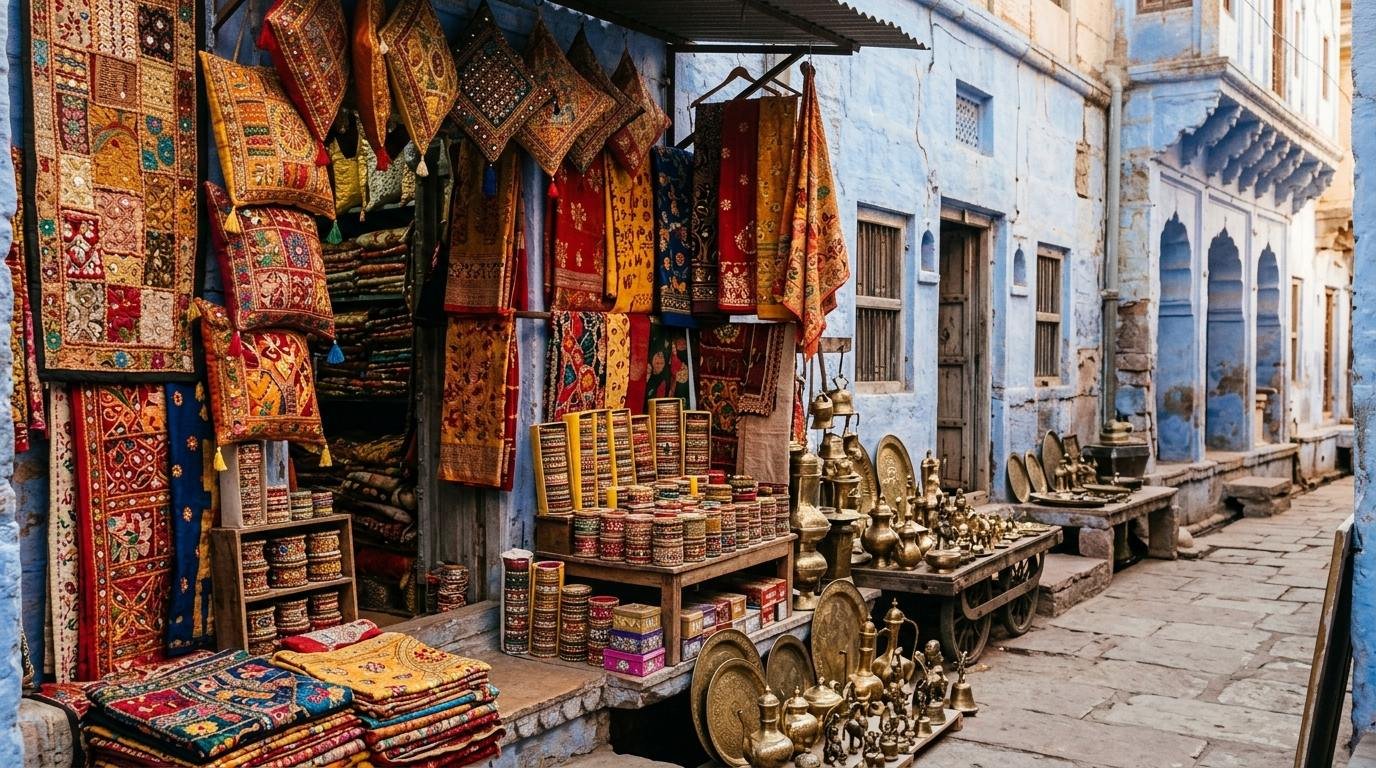
- Brass and utensils — the household metal trade; good weight-based value for pots and puja items.
- Khazane walon ka Rasta and the side lanes — the old trade-street names still carry their specialisations; wandering them honestly explains the founding plan better than any plaque.
The buying logic
- Marble craft: weight plus detail decide price; ask for the workshop behind the shop where pieces are actually finished — the furniture-shipping logic (Jodhpur-side) covers the export question.
- Brass: buy by weight plus making charge; polished showroom pieces carry a shine premium.
- Bargaining: lane-standard (the guide); workshops discount less and deserve it.
Position on the arc
Chandpole Gate anchors the west end of the old-city walk — the lane makes the natural exit from the arc’s tourist core into the working city, with the Chandpole marble market the quiet coda.