Last updated: October 2026 · Method: desk research across published sources and visitor reports; nothing first-hand, confirm locally.
📄 Image slot — jaipur for history buffs detail with kachhwaha rulers battles and architecture.
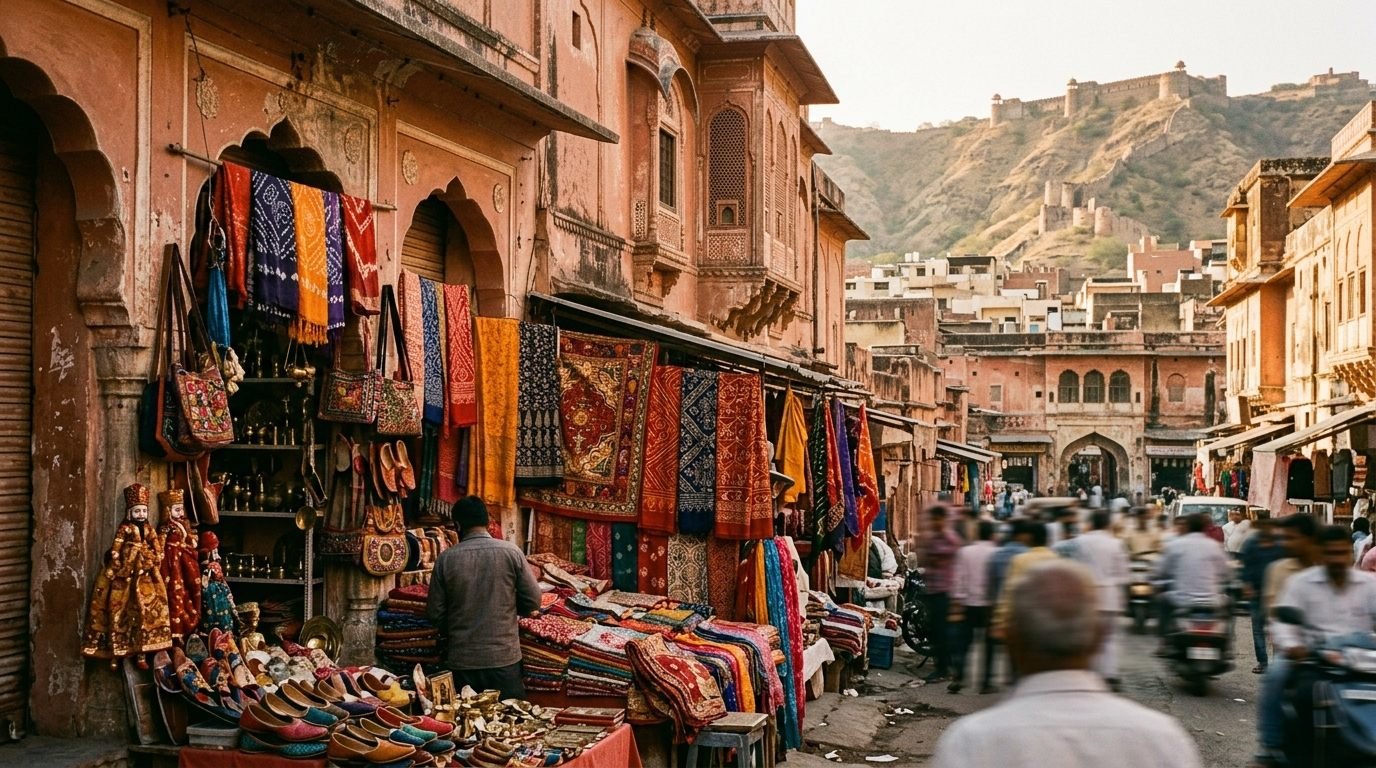
Jaipur for history buffs is the Kachhwaha story read in stone: six centuries at Amber, the planned capital of 1727, and the alliance politics with the Mughals that explain why the architecture keeps changing style mid-fort.
The detail
- The Amber timeline: the fort’s centuries decoded, from the pre-existing citadel through the palace building booms, best read with the Kachhwaha timeline open beside it.
- The battles: the Haldighati campaign and the Mughal alliances that kept Jaipur fighting for empire rather than against it, the exact opposite of the Mewar contrast.
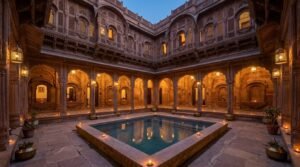
- The architecture: the fusion layers as dating evidence, and the city plan of 1727 as a document of Enlightenment-era statecraft.
The depth order: Amber one morning, the City Palace museums and the observatory the next, and Jantar Mantar last, because the 1720s instruments are the period when the dynasty turned from warfare to science. Guides at all three are worth the fee here more than anywhere else in the city.