Last updated: November 2026 · Method: research-based — compiled from official sites, reviews and trusted local sources; figures approximate — verify on site.
style=”display:none”>

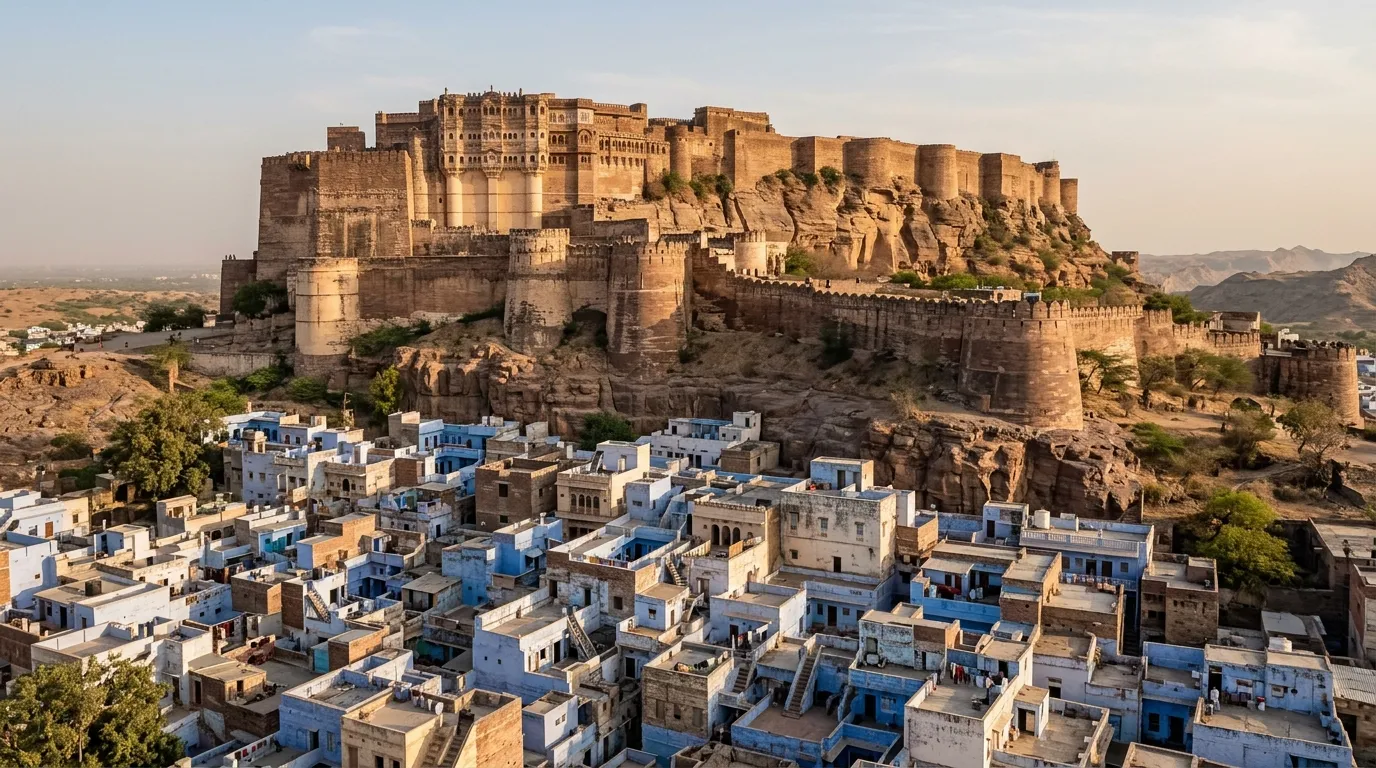
There are forts you look at and forts you climb into. Mehrangarh is the second kind: 125 metres of rock above the city, walls that swallow the skyline, and a museum inside that justifies the two-plus hours the guidebooks promise. Here’s everything practical before you go.
The fort opens daily, 9 AM to 5 PM, per the official site. Budget two hours for a brisk museum pass; lingerers and history lovers routinely spend three. Mornings are cooler and thinner on crowds; the light on the blue city below is also at its best before noon.
Ticket types and prices have moved around over the years, so rather than print numbers that go stale: Indian adults have historically paid in the ₹100–200 band depending on ticket tier, foreign visitors roughly ₹600–700, with student and senior concessions and a lift add-on for the climb (worth it for anyone with knee concerns, the approach is a ramp and staircases). Audio guides come bundled with some ticket types and are genuinely worth using. Check the day’s exact rates on mehrangarh.org, where online booking also saves the queue in season.
Enter early, walk the ramp first, museums second, the courtyard light is best before 11. Water is available but carry a bottle anyway; the climb is real. entry closes earlier than the closing hour in some seasons, verify at mehrangarh.org, and the last stretch of afternoon light on the city from the ramparts is the photographer’s slot, so a 3:30 entry balances both.
The audio guide is included with several ticket tiers and is well-produced; human guides add layer and stories at extra cost. On a two-day Jodhpur trip you have time for either; on a one-day sprint, take the audio and keep moving.
Autos and cabs drop at the base; the fort road climbs from there. The lift shortcut spares the steepest part. Auto drivers around the old city quote the fort run as their bread-and-butter route, fares are short and negotiable.
That’s the most common comparison, and the traveller consensus leans firmly toward Mehrangarh for the museum collection and the rawness of the setting. They’re different experiences rather than a ranking, but if you only do one fort in Rajasthan, this is the one the majority of repeated visitors name.
Ticket prices changed on you recently? Send the current figures and we’ll re-date this page.

 Cycling to Khichan: The Winter-Morning Bike Option→
 The Phalodi Bird List: What the Country Holds, Season by Season→
 The Salt Workers: The People of the White Fields→
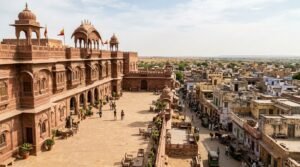 Fort Stay vs Town Hotel in Pokaran: The Honest Comparison→
 Phalodi Practical Considerations: The Fine Print of the Visit→
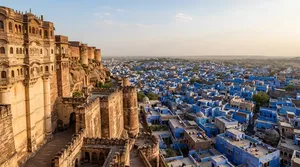 Jodhpur with Toddlers: The Slowest Itinerary→