Last updated: September 2026 · Method: guidance built from our Rao Jodha park and desert-ecology research. A flora guide for the Thar edge.
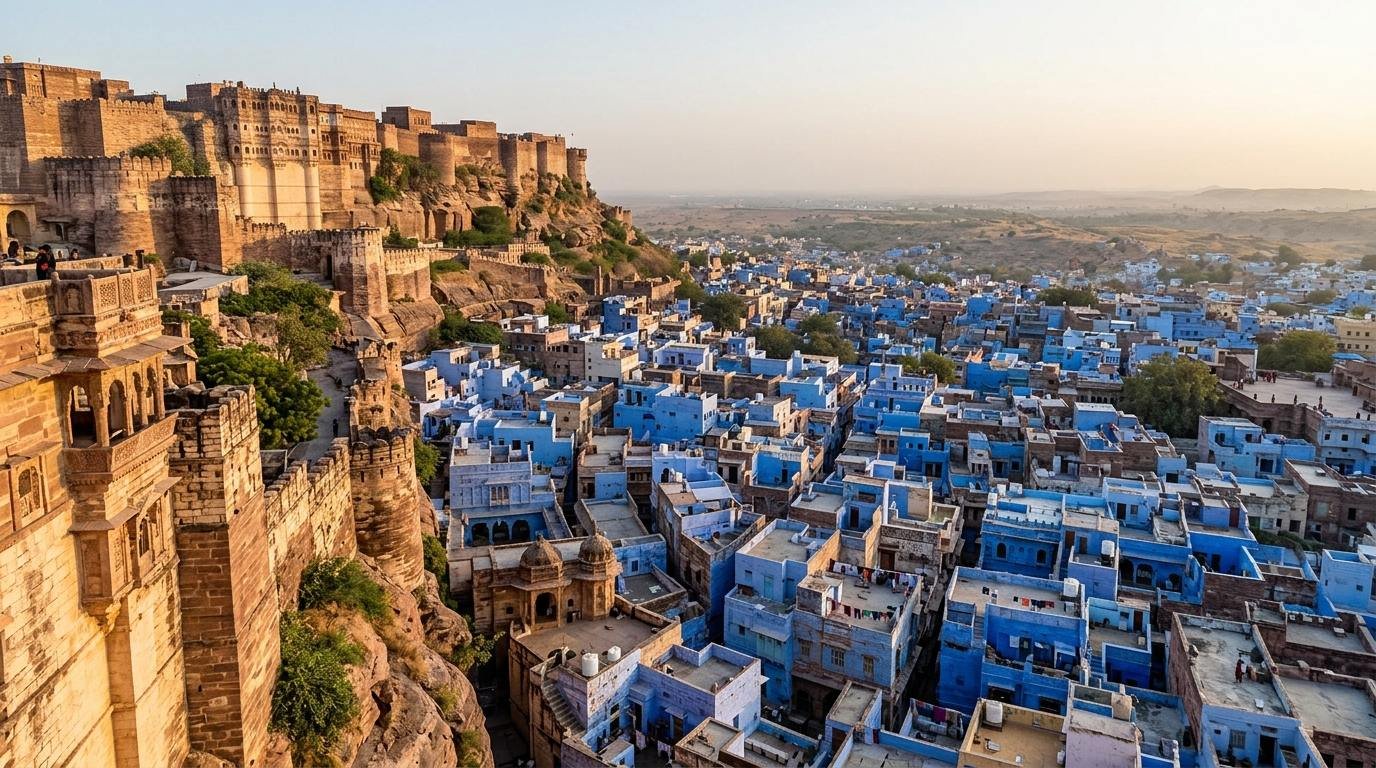
The Thar looks empty and is botanically busy: a desert flora of thorny, succulent, deep-rooted and ephemeral plants that have solved the same problem a thousand ways. The Rao Jodha Desert Rock Park is the field guide made walkable — and this page is the companion key to what you’re seeing.
The flora families
- The khejri and the acacias; the great providers (see the khejri guide).
- Theephemerals: the desert’s magic trick, seeds that bloom into carpets within weeks of rain and vanish (the monsoon’s payoff).
- The succulents and thorns; cacti-analogues, euphorbias and the thorn defences that define the scrub.
- The grasses; sewan and peers, the grazing base the whole Bishnoi economy stands on.
- The invaders: prosopis juliflora, the species the rock park’s restoration fought out, the ecological story worth knowing.
Where to study it
Rao Jodha park; the labelled, restored native flora (the guided walks identify everything); the Bishnoi scrub for the wild version; and the Mandore gardens for the exotic layer.
Questions worth asking
Does the desert bloom?
After rain, explosively, the ephemeral seeds wait years for a single season. The monsoon guide’s green report is real; the bloom is why botanists time their visits to the rains.
Related guides
Photographed a Thar plant you identified? The species and the park, flora reports green this page.