Eklingji & Nathdwara: The Temple Day North

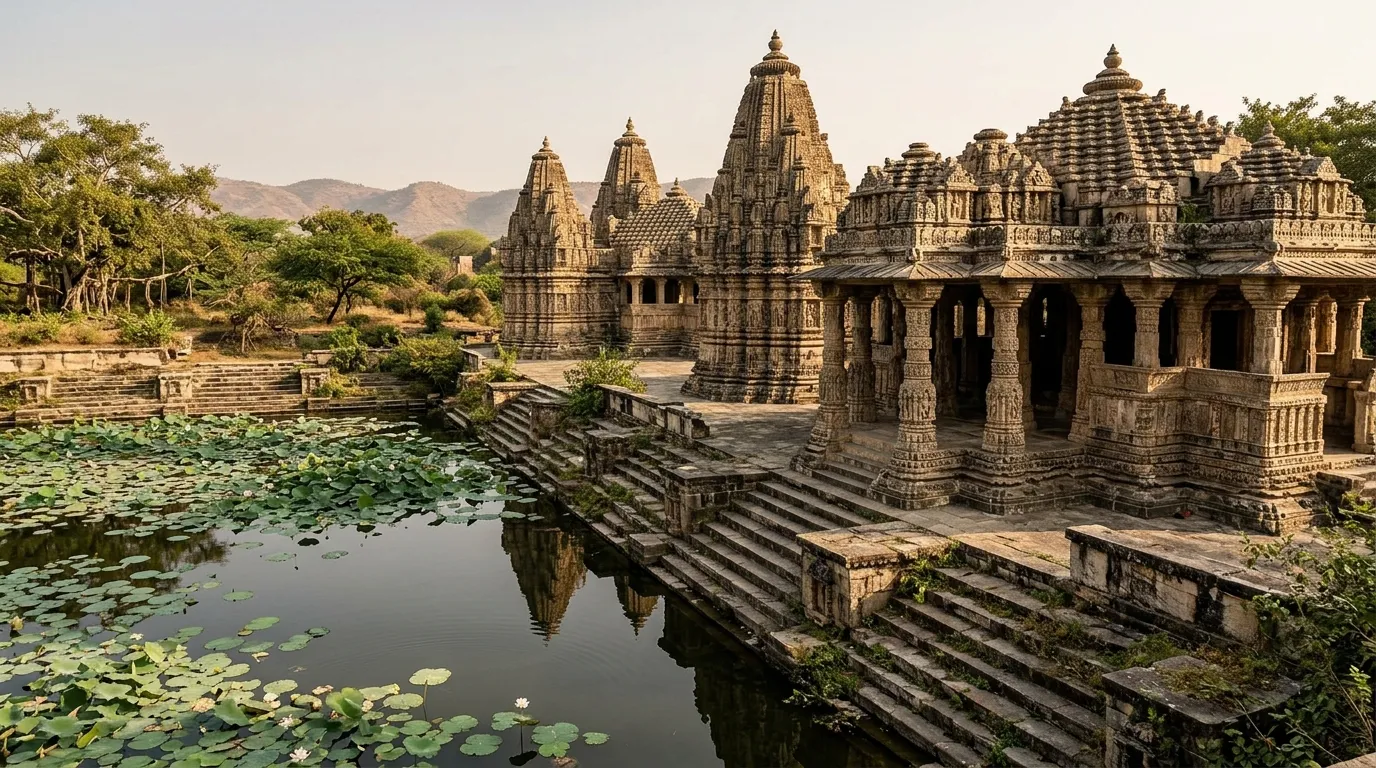
An ancient temple compound with carved pyramidal roofs and colonnades

✎ Research Note

This guide is based on current reviews from Google Maps, Reddit and leading travel websites, combined with official information where available. It is regularly updated as details change.

Last updated: October 2026 · Method: research-based — compiled from official sites, reviews and trusted local sources; figures approximate — verify on site.

style=”display:none”>

Eklingji and Nathdwara are the two great temple trips north of Udaipur , the 8th-century Shiva complex that is Mewar’s own state-deity seat, and the Krishna town of Nathdwara whose Srinathji shrine runs the region’s devotional economy (and its famous pichwai painting tradition). This guide covers both as one day, with the respect-first rules.

Eklingji (Kailashpuri, ~22 km)

  • What it is: the four-faced black-marble Shiva at the head of Mewar’s temples, the Maharanas ruled as Eklingji’s custodian (the palace’s state ideology, in stone since the 700s).
  • Seeing it: the complex holds a large cluster of shrines (commonly cited as over a hundred, verify); non-Hindu entry to the sanctum has historically been restricted, verify the current practice at the gate and take the courtyard’s grandeur as your visit.
  • Timing: darshan windows run at fixed hours (early morning is the devotional peak); avoid aarti crowds if you want quiet.

Nathdwara (~48 km)

  • What it is: the Srinathji temple; Krishna as the seven-year-old, around which the town lives; darshan runs through the day in scheduled slots (jhankis), each a different dress and mood of the deity.
  • The pichwai economy: the town’s painting workshops produce the great temple-curtain tradition, the buy is contemporary artist work, named as such (the shopping guide’s studio rules apply; the painting tradition gives the context).
  • The crowds: Janmashtami transforms the town (plan far ahead); weekday mornings are the visit.

Etiquette (both temples)

  • No leather, shoes off, shoulders and knees covered; the dress-code rules.
  • Photography of the deities is prohibited; courtyards and exteriors with a gesture-ask (the etiquette baseline).
  • Move with the darshan flow; these are working shrines, not monuments.

Verification: figures on this page are research approximations , check current details on the Rajasthan tourism OBMS portal (monument tickets), Rajasthan Tourism before you travel.

What does the Eklingji-Nathdwara pairing actually involve? The page above answers: the two temple towns north of Udaipur visited in one day, Eklingji’s Shiva complex in the morning and Nathdwara’s darshan windows in the afternoon, and the pichwai studios filling the interval. The traveller who runs the pairing reports the devotional contrast as the day’s argument, and the Udaipur base as the practical starting point.

The season’s calendar, the transport’s booking, the entry’s verification and the water’s carrying are the four items that every stop on this route demands, and the pages linked above hold each one’s detail, the traveler who reads them before arriving reporting the visit as prepared rather than improvised, the difference showing in the morning’s pace and the afternoon’s energy.

And the route’s context: this stop connects to the neighbouring sights described in the pages linked above, and the traveler who reads those pages before visiting builds the itinerary that the locals recognise as sensible, which is the best compliment a travel guide can receive, and the reason the planning exists.

Share this guide:Share on X Facebook WhatsApp

On this page

Table of Contents

Plan your visit

Compare tours, tickets and transport with our trusted partners — bookings support this independent guide.

AD SLOT · 300×250
Local business banner