Last updated: October 2026 · Method: research-based — compiled from official sites, reviews and trusted local sources; figures approximate — verify on site.
style=”display:none”>

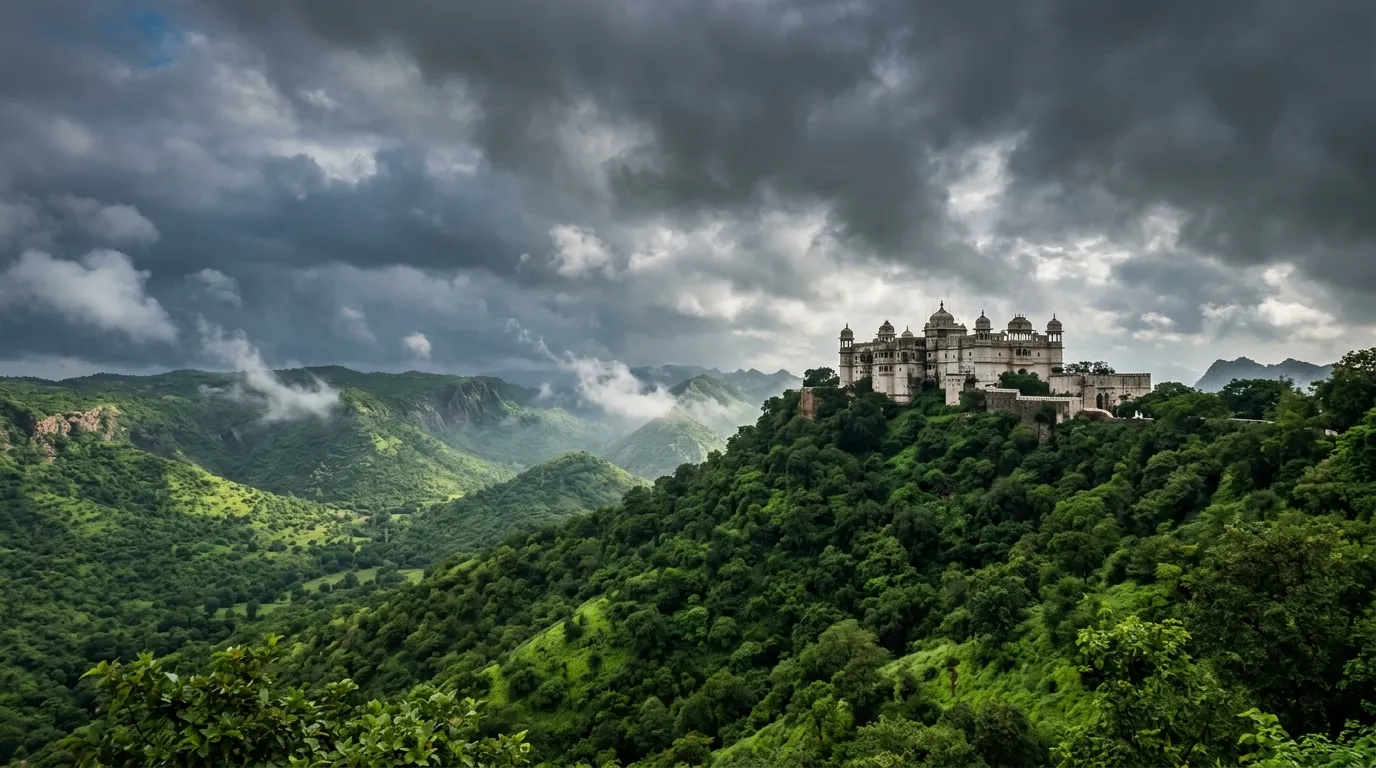
Sajjangarh , the Monsoon Palace, rides the hill above Udaipur’s Sajjangarh Sanctuary, built in 1884 as a monsoon retreat and astronomical observatory point. The palace interior is thin; the view is the monument: the whole lake city spread below, and the Aravalli sunsets that made it famous.
| Item | Approx (verify at entry) |
|---|---|
| Entry | Palace fee + sanctuary/vehicle fees (the hill road runs through the sanctuary) , modest figures, verify current |
| Timing | Daylight hours; the entry closes before sunset for non-stay visitors in some seasons , verify, the sunset claim depends on it |
| Access | A winding 4-5 km sanctuary road up; private vehicles allowed with fees, or the safari jeep option |
| Time needed | 90 minutes |
Verification: figures on this page are research approximations , check current details on the Rajasthan tourism OBMS portal (monument tickets), Rajasthan Tourism before you travel.
The consistent report from travellers who visit is that the stop rewards the prepared and disappoints the hurried, and the preparation means reading the practical notes above before the departure rather than at the gate, the difference being an hour of planning against a day of missed context. The linked guide supplies the wider frame, and the traveller who follows the connections reports the visit as part of a working route rather than an isolated stop, which is the outcome the planning actually buys.
One practical note closes the page: the season’s timing checked against the visit dates before the rooms are booked, the water carried regardless of the month, and the entry verified at the counter rather than assumed from any printed figure. The traveller who follows these habits reports the visit as handled, which is the guide’s measurable success.
The budget’s final note: this stop costs the entry fee and the transport, the daily budget holding the numbers, and the traveller who prices the visit before the trip reports the cost as the itinerary’s expected line rather than its surprise, which is the budget’s honest purpose, and the reason the costs are stated as ranges rather than as fixed figures.
And the wider planning context that this page serves: the stop’s practical detail connects naturally with the linked guides’ routes and timings, and the traveller who reads the connections before visiting builds the itinerary that the geography supports rather than the one the guidebook imposes. The season’s note applies as everywhere in Rajasthan: the winter months serve the visit best, the summer’s heat compressing the schedule to the morning block, and the monsoon adding its own variable that the seasonal guides document honestly. The water carried, the entry verified at the counter, the opening hours checked against the visit date, and the transport confirmed before the departure are the four habits that the preparation demands, and the traveller who follows them reports the visit as handled rather than harried, the linked guides supplying each layer’s detail so the visitor never arrives without the context the stop deserves.
And the that this page closes on: the stop rewards the specific interest it was written for, and the traveller who visits for that interest reports the experience as genuine rather than disappointing. The preparation matters more than the destination’s fame, and the pages linked above are the preparation’s starting point rather than its completion, the visit itself being the text that the guide exists to introduce.

 City Palace: The Touring Order That Works→
 Sajjangarh (Monsoon Palace): The Hilltop View Explained→
 Monsoon Terraces: The Covered-Cafe Guide→
 Heritage Hotels in Bikaner: The Palace and Haveli List→
 Udaipur City Palace Gates: Badi Pol to Zenana Mahal + Tickets→
 Umaid Bhawan Palace Guide: Museum Entry and What to Expect→